Distribution and direct bookings.
Every booking reaches the hotel through a channel, and every channel has a cost: OTA commission, ad spend, the time of your team. I look at all of them together, so the mix you end up with is the one that leaves the most with the hotel.
Two sides of the same question: where your bookings come from, and what each one really costs.
- Your own booking engine fixed fee / commission
- Direct-booking marketing ad spend · toolsGoogle Hotel Ads · Brand · Remarketing · Newsletters
- OTAs commissionBooking.com · Expedia
- Agencies and tour operators commission · team time
Distribution and OTAs
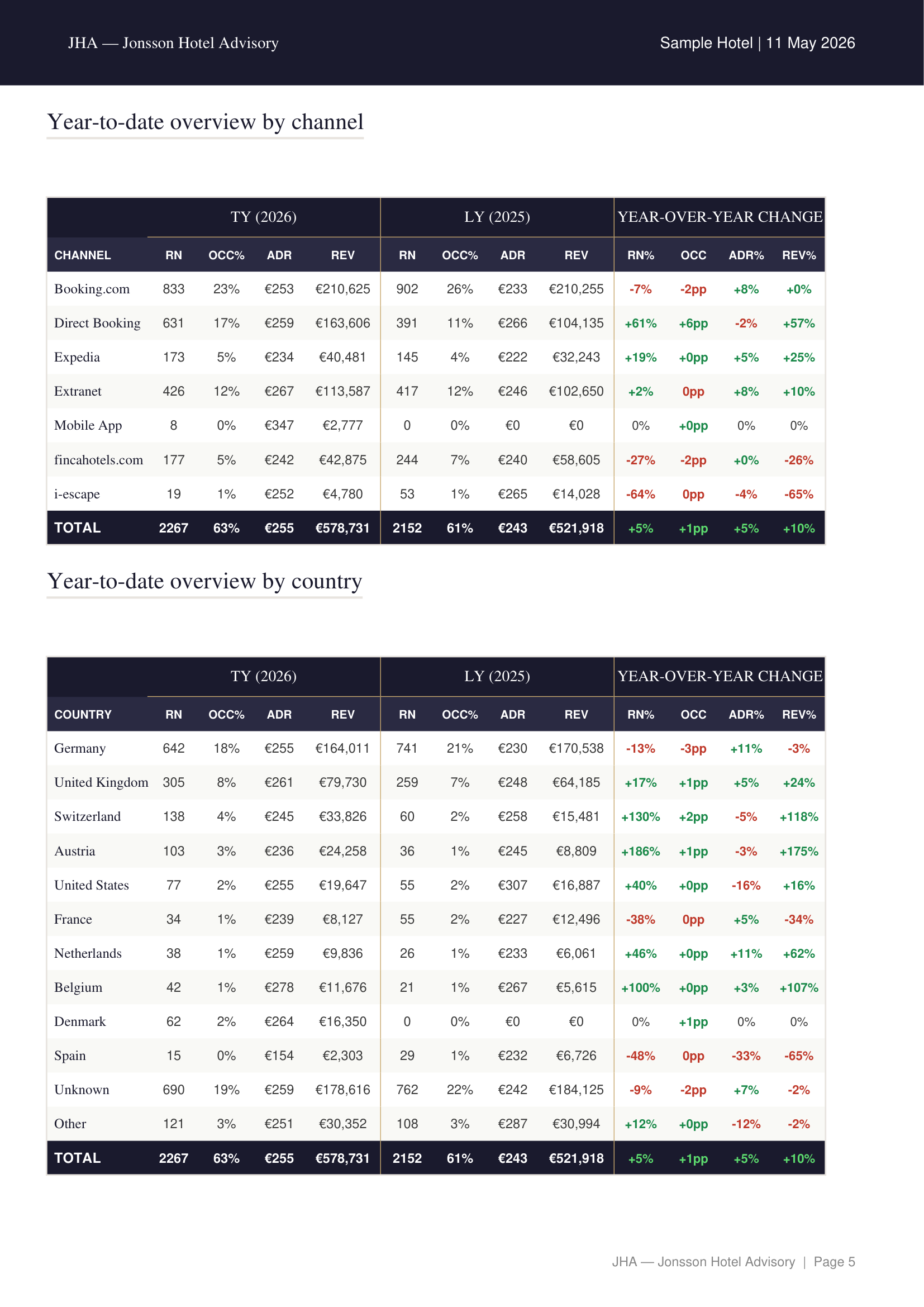
Monthly tracking of how bookings split between direct, OTAs and agencies, by room nights, revenue and country of origin, to spot dependencies, compare net margins and adjust mark-ups and promotions accordingly.
- OTA management and channel mix
- Mark-ups and promotions per channel
- Rate parity
Direct bookings
The direct channel is usually the most profitable one, and it grows with steady work on three fronts.
Google Ads and Google Hotel Ads
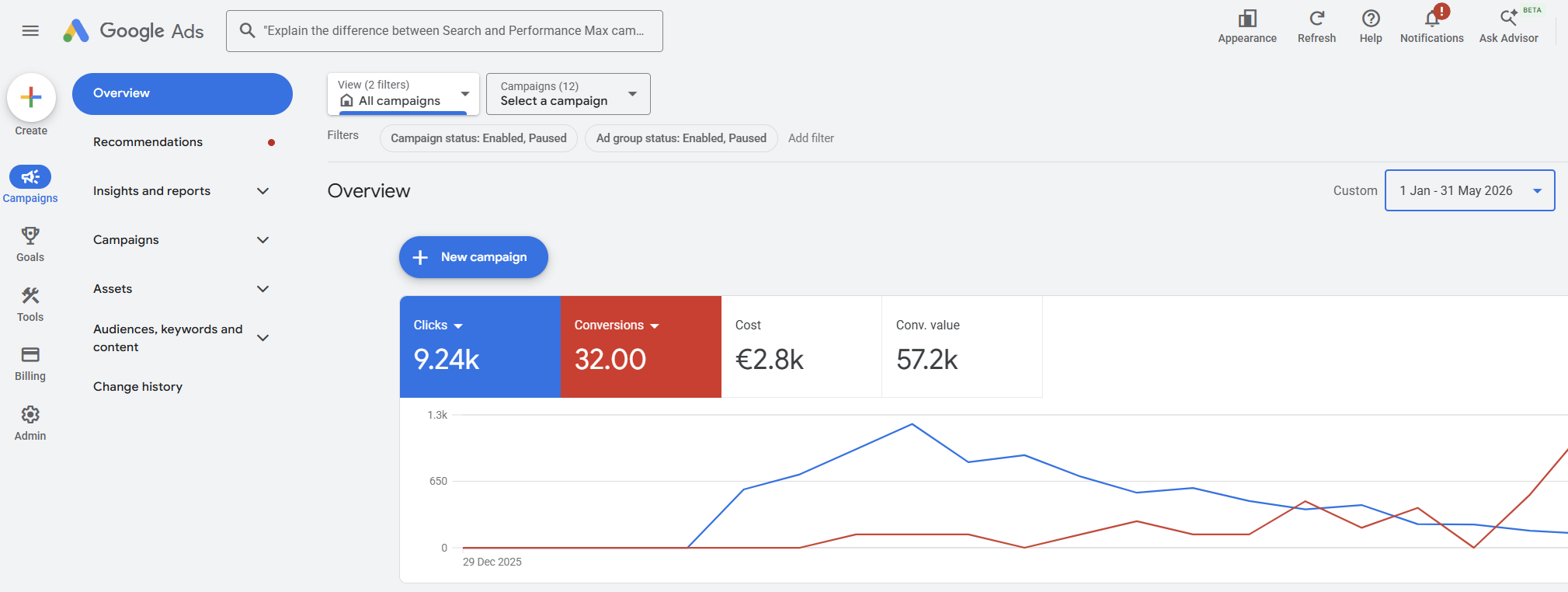
Campaigns built around three goals: protect the brand on search, gain direct-booking share in specific markets, and bring back website visitors with remarketing and Performance Max. Optimised continuously, and reported monthly on cost, conversions and return.
Booking engine
How easy it is to book on your own website. If booking direct takes more effort than on an OTA, the guest ends up on the OTA.
- 1 Rates and rooms in line with the OTAs
- 2 A short path from search to payment
- 3 Tracking from first visit to booking
Newsletters
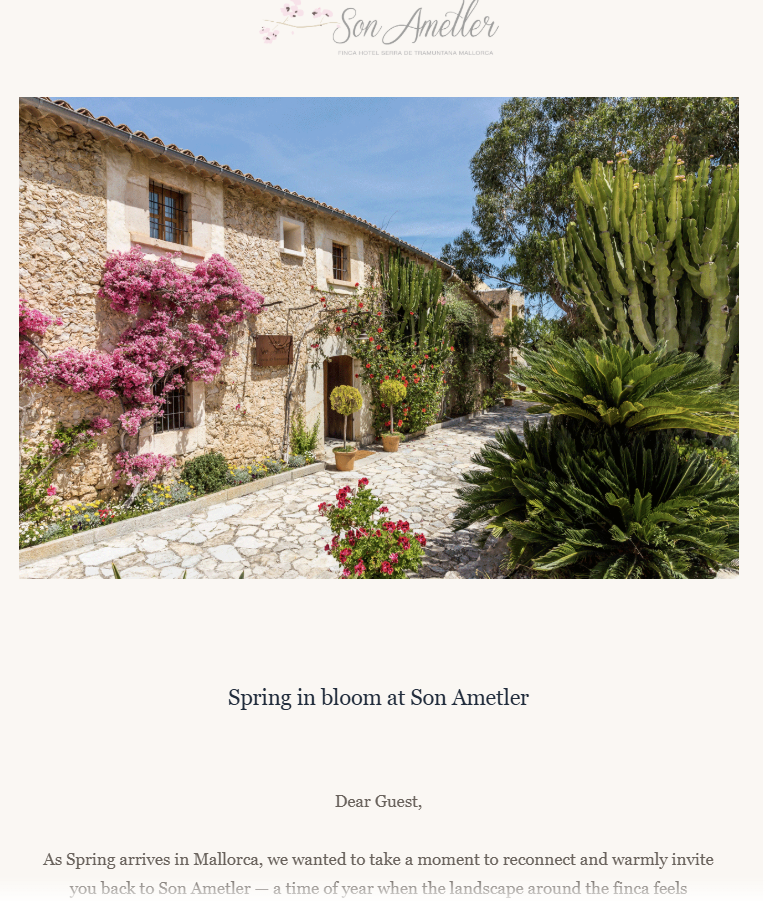
Story-driven newsletters to the guest base: repeat-guest segments, post-stay sequences and occasional offers. Typically 70-80% of guests opt in, so the list becomes a direct channel of its own.
Let's talk about your hotel.
Thirty minutes, no commitment. If we decide to work together, the audit is where we start. No lock-in, and reduced terms for the first months.